

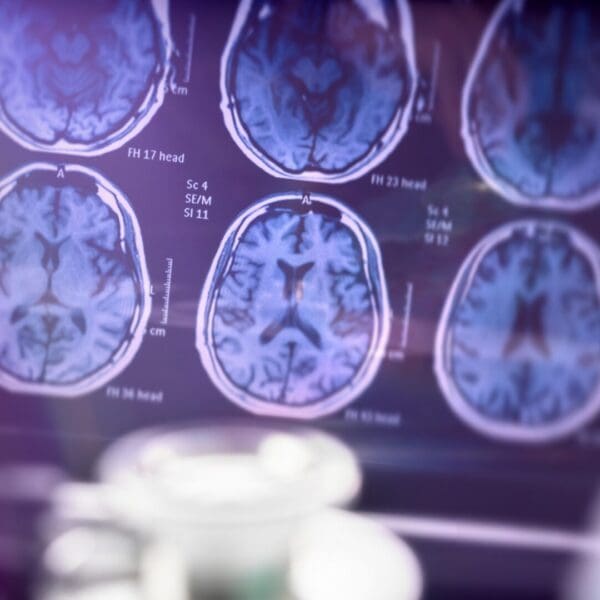












Most people have heard of cholesterol, omega-3 fats, and antioxidants. Very few have heard of plasmalogens. Yet these specialized membrane fats quietly support brain health, calm inflammation, and help the body repair itself. Plasmalogens may be one of the missing pieces in modern regenerative medicine, a foundational lipid that can be measured, targeted, and improved over time.
What Are Plasmalogens?
Every cell in your body is wrapped in a thin membrane made of fats and proteins. This structure, known as the cell membrane, is not just a passive barrier. It functions as the cell’s control panel, coordinating communication, energy exchange, and repair.
Plasmalogens are a unique family of phospholipid fats embedded within this membrane. They are especially concentrated in:
- The brain and nervous system (myelin and synapses)
- Heart muscle and blood vessels
- Immune cells
- Mitochondria (the cell’s energy factories)
You can think of plasmalogens as “guardian fats.” They help maintain membrane shape and flexibility, protect against damage, and support smooth cellular signaling.
Core Functions of Plasmalogens
Plasmalogens perform three vital functions that directly influence health and longevity:
- Membrane fluidity and flexibility
They act as a kind of lubricant. This allows cell membranes to bend, move, and efficiently transport nutrients and signals. - Sacrificial antioxidant protection
They absorb damage from free radicals and oxidative stress before these harmful molecules can injure more critical cellular components. - Age-related decline
As we age, plasmalogen levels naturally decrease. This weakens membrane integrity, increases vulnerability to damage, and impairs cellular function.
This decline is one reason why restoring plasmalogen levels has become a focus in regenerative medicine and brain health strategies.
How Plasmalogens Protect Brain Health and Cells
1. Protecting the Brain and Nervous System
Plasmalogens are highly enriched in the brain and in myelin, the insulating layer around nerves. Healthy levels help:
- Maintain myelin integrity for efficient nerve signaling
- Support synapses where brain cells communicate
- Preserve the structure of white and gray matter
Low plasmalogen levels have been linked to Alzheimer’s disease, Parkinson’s disease, and other forms of cognitive decline.
2. Acting as “Sacrificial” Antioxidants
Oxidative stress occurs when free radicals exceed the body’s ability to neutralize them. These molecules attack fats, proteins, and DNA, especially within cell membranes.
Plasmalogens act like “lightning rods”:
- Their unique chemical bond absorbs free radical damage first
- This protects more vulnerable fats (like omega-3s) and nearby proteins
- The result is reduced oxidative damage to cells and mitochondria
When plasmalogens are low, other cellular components take on more damage. This accelerates aging and impairs regeneration.
3. Helping Control Inflammation
The immune system must activate in response to injury or infection and then shut down to allow healing. That balance is critical.
Plasmalogens help:
- Organize membrane microdomains where inflammatory receptors operate
- Influence immune cells such as microglia (brain) and macrophages
- Support pro-resolving signals that shift the body from inflammation to repair
Low plasmalogen levels are associated with chronic, low-grade inflammation, often referred to as inflammaging, that gradually damages tissues.
Plasmalogens, Aging, and Chronic Disease
Plasmalogen levels tend to decline with age, and this drop can be accelerated by:
- Chronic inflammation
- Metabolic dysfunction
- Environmental toxins
- Poor sleep
- Ongoing stress
Lower levels have been associated with:
- Cognitive decline and dementia
- Parkinson’s disease and other neurodegenerative conditions
- Cardiovascular disease
- Metabolic syndrome and chronic inflammatory states
Plasmalogens are not the sole factor, but they are a key part of the body’s internal environment. When levels are low, the nervous system and cardiovascular system face greater stress and reduced repair capacity.
Why Plasmalogens Matter in Regenerative Medicine
Regenerative medicine focuses on helping the body repair, rebuild, and function at a higher level. At PUR-FORM, this includes therapies such as PRP, cell-based biologics, exosomes, EBO₂, IV therapies, and light-based treatments.
For these interventions to be effective, cells require:
- Strong, flexible membranes
- Resilient mitochondria
- A balanced, not overactive, immune system
Plasmalogens sit at the intersection of these needs.
How Plasmalogens Support Regeneration
Cell Resilience
Stronger membranes and improved antioxidant protection help repair cells and stem cells survive and function in inflamed or damaged tissues. Because plasmalogens are highly concentrated in the nervous system, supporting them may benefit programs targeting memory, early cognitive changes, neuropathy, and chronic nerve-related pain.
Inflammation Resolution
Many chronic conditions are driven by persistent low-grade inflammation. Healthier plasmalogen levels are associated with reduced neuroinflammation and improved resolution of inflammatory responses.
Cardiometabolic Health
Plasmalogens interact with lipoproteins (including HDL) and vascular cells. This supports blood flow and improves oxygen and nutrient delivery to regenerating tissues.
How to Support Plasmalogens Naturally
Nutrition for Membrane Health
The richest natural sources of plasmalogens are certain animal foods, particularly seafood and high-quality meats.
- Shellfish: mussels, oysters, scallops
- Marine sources: squid, octopus, fatty fish
- Meats: beef, lamb, pork, poultry
A diet that includes a mix of shellfish, fatty fish, and pasture-raised meats provides the highest dietary intake. While food supports baseline levels, targeted supplementation is often used for a more consistent increase.
Focusing on whole foods, high-quality fats, and omega-3-rich fish, while minimizing processed foods and oxidized oils, supports overall membrane health and plasmalogen pathways.
Lifestyle Factors
Sleep, regular movement, stress management, and toxin avoidance reduce oxidative and inflammatory stress that depletes plasmalogens. These foundational habits also enhance the effectiveness of regenerative therapies.
Targeted Supplementation
Emerging plasmalogen precursors and formulations have shown the ability to increase blood levels and produce early improvements in cognition and inflammatory markers in small human studies.
Larger clinical trials are ongoing, but plasmalogen replacement is an emerging tool in brain health and longevity medicine.
The most effective approach is not a single intervention but a coordinated strategy combining lifestyle, nutrition, and advanced therapies.
How PUR-FORM Treatments Support Plasmalogens
At PUR-FORM, many therapies are designed to improve the internal environment in which cells function, indirectly supporting plasmalogens.
Treatments that enhance mitochondrial function, reduce oxidative stress, and calm chronic inflammation, such as EBO₂, IV nutrients and NAD⁺, red and near-infrared light, regenerative injections, and structured lifestyle programs, reduce wear and tear on cell membranes.
When internal stress is lowered:
- The body can better maintain and rebuild plasmalogens
- Supplementation becomes more effective
- Cellular resilience improves
In practical terms, improving energy production and inflammation control helps protect the membrane lipids that support brain and tissue health over time.
The Bottom Line: Plasmalogens and Longevity
Plasmalogens are not just another supplement trend. They are a fundamental class of membrane lipids that:
- Protect the brain and nervous system
- Act as built-in antioxidants
- Help regulate chronic inflammation
- Support the structures targeted by regenerative medicine
Measuring and supporting plasmalogens adds a powerful and often overlooked layer to personalized regenerative care.
At PUR-FORM, plasmalogens are viewed as a key link between brain health, inflammation control, and the long-term success of advanced therapies.
If you are interested in understanding your plasmalogen status and how it fits into a comprehensive regenerative strategy, the PUR-FORM team can guide testing and targeted support based on your goals.