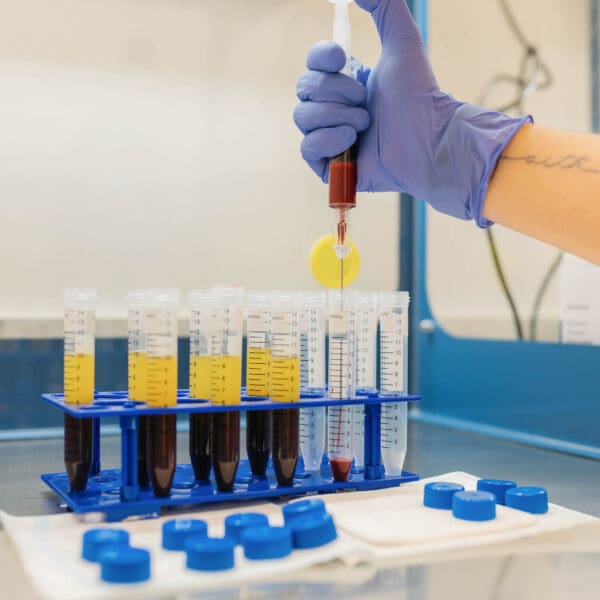














Exosomes, Muse Cells, and mesenchymal stem cells (MSCs) are all used in regenerative medicine, and one method of delivery is intravenous administration.
Most patients experience little to no immediate dramatic effect after treatment because these therapies are not expected to produce a rapid, drug-like effect. Instead, they are thought to work primarily through cell signaling, immune modulation, and support for tissue repair and regeneration over time.
In other words, there will not be an immediate epiphany.
Why You May Not Feel Much Right Away
Many medicines create an immediate sensation because they quickly affect pain pathways, alertness, heart rate, or blood pressure. By contrast, exosomes, MSCs, and Muse Cells influence how cells communicate, how inflammation is regulated, and how injured tissue responds. They usually do not produce a noticeable sensation during or immediately after the infusion.
Muse Cells are a distinctive stem cell population that, in clinical studies, have demonstrated the ability to home to injured tissue, modulate inflammation, and contribute to repair and regeneration.
Regeneration is the magic word. Other stem cells can repair tissue, while these cells regenerate it. These effects also appear to develop over time rather than causing a sudden sensation during the infusion. The analogy is similar to renovating a home. It simply does not happen overnight. The timeline also depends on the condition being treated.
What a Treatment Day Is Usually Like
For most patients, treatment day feels similar to a standard IV visit. The most common sensations are related to the IV itself, such as the needle stick, sitting during the infusion, and sometimes a cool feeling in the arm from the fluid.
Most patients can leave shortly after treatment and return to light activity the same day. We commonly advise staying hydrated, getting adequate rest, and avoiding unusually strenuous activity until later that day or the next day, depending on the treatment plan and the patient’s overall condition.
Very infrequently, a patient may develop a slight, transient rash from some of the compounds used to preserve the cells. This is easily managed with a simple medication such as Benadryl.
Common Short-Term Effects
Many patients notice no clear short-term changes. When short-term effects do occur, they are usually mild and temporary, such as fatigue, a mild headache, occasionally a low-grade fever, or simply feeling a little “off” for a day or two.
For IV MSCs, exosomes, and Muse Cells, reviews and meta-analyses have found that intravenous administration is generally well tolerated, with very low fever being one of the few short-term reactions reported across studies. However, fever is uncommon.
Serious infusion-related complications are very uncommon when properly manufactured cells are administered with appropriate screening and monitoring, although no medical treatment is completely without risk.
The biologics also need to be processed in the United States under strict FDA-approved laboratory guidelines.
When Improvement May Be Noticed
When a benefit occurs, it is often gradual rather than immediate. Many patients notice changes over several days to weeks, while for others it may take longer because tissue repair and immune regulation are slower biological processes than the action of a pain reliever or stimulant.
This means that feeling nothing on the day of treatment does not necessarily indicate that nothing is happening. In many cases, a lack of immediate sensation is expected and consistent with the proposed mechanisms of these therapies.
Important Uncertainties
These therapies are still evolving, and not all products are the same. Exosome products can differ in their source, purification, characterization, and quality controls, and these differences may affect both safety and reliability.
The same is true for IV MSCs and Muse Cells. Outcomes may depend on the specific product, dose, manufacturing standards, route of administration, and the condition being treated.
With that said, PUR-FORM only uses well-vetted, highly regarded manufacturers of biological products, ensuring they are produced in the United States.
When to Contact the Clinic
Patients should contact the treating clinic promptly if they experience symptoms that are more than mild or seem unusual, such as chest pain, trouble breathing, high fever, severe rash, fainting, marked swelling, or rapidly worsening symptoms. These reactions are not typical and deserve prompt medical evaluation.
A Simple Way to Think About It
A helpful way to understand these treatments is to view them as biological instructions rather than quick-acting medicines.
Most patients do not notice a dramatic change during the infusion because the expected effects are gradual and depend on how the body responds over time.
In the end, these therapies are not about instant sensation. They are about quiet transformation. While you may not feel a dramatic shift in the moment, meaningful change often unfolds beneath the surface, guided by your body’s capacity to heal and regenerate. Patience becomes part of the process, as progress reveals itself gradually rather than all at once.
Think of it less as a quick fix and more as a way to set the stage for long-term restoration. Sometimes the most powerful medicine is the kind you do not immediately feel, working steadily, intelligently, and in harmony with your body over time.
— Dr. P