










Why Do Patients Respond Differently?
Two patients may receive similar regenerative treatments yet experience very different outcomes. One improves considerably, while the other sees only a modest change. Why? The answer may involve much more than the product placed into the joint or tissue.
In a recently published scientific review that I co-authored with an international group of researchers, we explore a broader way to understand these differences. Our article, “The Regenerative Hexagon: Six Domains Shaping Musculoskeletal Regenerative Outcomes,” proposes that healing depends on an interconnected biological system, not merely on cells and growth factors.
I often use an agricultural analogy to explain this concept: even an exceptional seed will struggle in poorly prepared soil. The same principle may apply to regenerative medicine. The quality of a cellular or orthobiologic treatment matters, but so do the conditions into which it is delivered.
Understanding those conditions may be an important part of understanding why some patients respond more favorably to regenerative treatments than others.
From Three Ingredients to Six Interacting Domains
Traditional tissue engineering emphasizes a regenerative triad consisting of cells, scaffolds, and growth factors. These three elements have long served as the foundation for understanding tissue repair and regeneration.
The Regenerative Hexagon builds upon this framework by retaining these three foundations and introducing three additional domains: the systemic host environment, biomechanics and mechanotransduction, and cellular energetics.
Together, these six interconnected domains offer a more comprehensive way to examine the biological conditions that may influence regenerative outcomes.
1. Scaffolds: The Structure Surrounding Our Cells
Cells do not function in isolation. They interact with the extracellular matrix (ECM), a network of proteins and other molecules that supports tissue architecture and transmits important biochemical and mechanical signals.
The condition of this surrounding matrix can influence cellular behavior. An excessively stiff, degraded, or fibrotic matrix may affect how a tissue responds to injury and to its own repair.
This means that the structural environment surrounding our cells may be just as important as the cells themselves.
2. Cells: More Than the Cells We Inject
Regenerative cells can influence repair through signaling, immune modulation, and, in certain contexts, differentiation.
However, the cells introduced during a regenerative procedure are only part of the equation. The patient’s own resident cells and immune cells also help shape the response.
A well-characterized cell product may behave differently in healthy, well-perfused tissue than in tissue experiencing persistent inflammation or metabolic stress.
In other words, the biological environment into which cells are introduced may influence how effectively they function.
3. Growth Factors: The Instructions for Repair
Growth factors help coordinate essential processes involved in tissue repair, including cell migration, proliferation, and tissue remodeling.
However, delivering a biological signal does not guarantee that the surrounding tissue will respond effectively.
Receptors, downstream signaling pathways, and the physiological state of surrounding cells all influence whether that message is received and acted upon.
The presence of growth factors is important, but the ability of the surrounding cells to respond to those signals is another critical consideration.
4. Systemic Host Environment: The Whole Patient Matters
Healing at one site is influenced by the health of the entire person.
Metabolic function, immune balance, sleep, nutrition, medications, physical conditioning, and potentially the gut microbiome can all affect inflammation and tissue physiology.
For example, a patient experiencing insulin resistance, poor sleep, and chronic inflammation may have a very different biological environment from someone who is metabolically healthy and well-rested.
These systemic factors may influence the conditions in which tissue repair occurs, reinforcing the importance of evaluating the patient beyond the immediate area being treated.
5. Biomechanics: Tissues Respond to Force
Our tissues are constantly responding to physical forces.
Mechanotransduction is the process by which mechanical inputs, including movement, loading, pressure, and matrix stiffness, are converted into cellular signals.
Appropriate rehabilitation and graded loading can therefore be important components of recovery. However, too little mechanical stimulation, or excessive loading at the wrong stage of healing, may be counterproductive.
Investigational modalities such as shockwave therapy and pulsed electromagnetic fields are also being studied for their biological effects.
Although these approaches may influence mechanobiological pathways, their added value when combined with orthobiologic treatments requires further testing.
Understanding how tissues respond to mechanical forces may help guide more thoughtful rehabilitation strategies throughout the healing process.
6. Cellular Energetics: Healing Requires Energy
Tissue repair is an energy-intensive process.
Cells require energy for protein synthesis, cellular communication, movement, and tissue remodeling. Mitochondria play a central role in these activities by contributing not only ATP, but also redox and stress signaling.
Metabolic or mitochondrial disturbances may therefore influence how tissues respond during healing.
Photobiomodulation is one approach currently under investigation for its effects on cellular signaling and mitochondrial biology.
However, evidence that photobiomodulation improves the outcomes of a particular regenerative injection remains incomplete.
This distinction is important. Influencing cellular biology does not automatically mean that an intervention will improve clinical outcomes.
What Happens When One Domain Is Out of Balance?
One of the central ideas behind the Regenerative Hexagon is that a significant limitation in one domain may undermine improvements in another.
For example, a sophisticated cellular product cannot automatically overcome poor tissue mechanics, impaired perfusion, persistent inflammation, or severe metabolic dysfunction.
These relationships are biologically plausible, but their relative importance, and whether correcting them improves regenerative treatment outcomes, must still be established through rigorous scientific studies.
Timing is another important consideration.
The biology of early inflammation differs from that of tissue rebuilding and later remodeling. A strategy that makes sense during one stage of healing may be inappropriate during another.
This is one reason individualized assessment and thoughtful rehabilitation deserve attention throughout the regenerative process.
Rather than viewing tissue repair as a single event, the Regenerative Hexagon encourages us to consider healing as a dynamic process influenced by multiple interacting biological conditions.
Why the Same Treatment Can Produce Different Results
Consider two hypothetical patients undergoing comparable orthobiologic procedures for similar musculoskeletal conditions.
The first patient has relatively stable metabolic health, restorative sleep, appropriate activity levels, and a well-managed rehabilitation plan.
The second patient has poorly controlled blood glucose, persistent low-grade inflammation, disrupted sleep, and limited physical conditioning.
Even if both patients receive treatments using similar cellular preparations or growth-factor products, their tissues may not respond in the same way.
This example does not mean that we can predict an individual patient’s response based on these factors alone.
Injury characteristics, age, disease severity, treatment technique, and many other variables also influence outcomes.
Instead, this comparison illustrates the central hypothesis behind the Regenerative Hexagon: the patient’s biological context may shape how an otherwise similar regenerative treatment performs.
The treatment itself matters, but so does the environment in which that treatment is expected to work.
Can We Prepare the Regenerative Environment Before Treatment?
If the biological environment plays a role in healing, an important question follows: can we identify and address potential barriers before regenerative treatment begins?
A practical first step is evaluating potentially modifiable factors that may interfere with recovery.
Depending on the patient, this may involve assessing metabolic risk, correcting nutritional deficiencies, improving sleep, reviewing medications, building physical capacity, and developing a rehabilitation strategy appropriate to the tissue and stage of healing.
These measures are valuable aspects of whole-person care, even when their specific impact on regenerative treatment outcomes has not yet been established.
There is also growing interest in interventions that may influence the local or systemic biological environment.
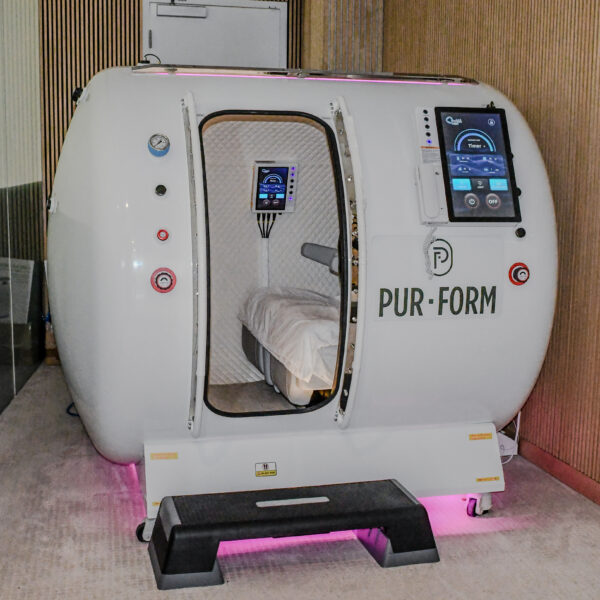
Researchers are studying photobiomodulation for its effects on cellular signaling and mitochondrial activity, shockwave therapy for mechanobiological responses, and hyperbaric oxygen therapy for selected oxygen-related and healing pathways.
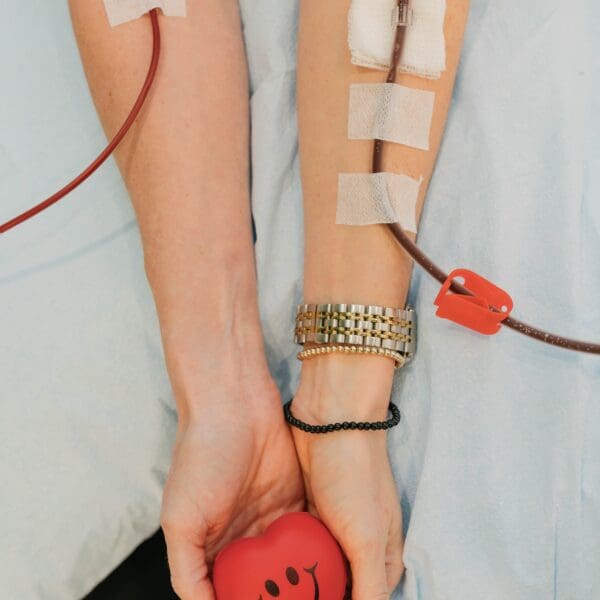
Other approaches, including pulsed electromagnetic fields, extracorporeal blood oxygenation and ozonation (EBO2), and therapeutic plasma exchange, have varying evidence bases and important unanswered questions.
Although these interventions may influence biological pathways relevant to tissue health, a plausible mechanism is not proof that combining them with stem cells or orthobiologics improves treatment outcomes.
This is an important distinction as regenerative medicine continues to evolve.
The goal is not to prescribe the same “soil preparation” regimen to every patient. Instead, we should ask which biological constraints are most relevant, which can reasonably be addressed, and what scientific evidence supports each decision.
What This Means at PUR-FORM
At PUR-FORM, our clinical philosophy is to look beyond an isolated procedure and consider the patient as a whole.
Depending on the clinical situation, this may involve evaluating metabolic health, inflammatory factors, circulation, functional capacity, nutrition, recovery, and the musculoskeletal environment in which treatment is expected to work.
We also examine emerging technologies and supportive interventions in the context of each patient’s individual needs and the available scientific evidence.
These approaches may include photobiomodulation, shockwave therapy, hyperbaric oxygen therapy, and selected metabolic-support strategies.
In appropriate contexts, we also investigate broader approaches such as EBO2 and therapeutic plasma exchange.
However, these modalities should not be assumed to enhance stem-cell or orthobiologic outcomes simply because they influence a particular biological pathway. Direct clinical validation remains essential.
Our focus is on understanding the patient, recognizing potential biological limitations, and considering how different aspects of health may influence the environment in which tissue repair takes place.
This whole-person perspective reflects the broader concept behind the Regenerative Hexagon: successful regenerative medicine may depend not only on the treatment being delivered, but also on the biological conditions surrounding it.
Preparing the Soil Before Planting the Seed
The regenerative-soil analogy is not a promise that we can control every aspect of healing.
Instead, it reminds us that regeneration occurs inside a living, interconnected biological system.
The Regenerative Hexagon is a hypothesis-generating framework, not a validated six-step treatment protocol. Future scientific studies must determine which domains matter most for particular patients, injuries, and regenerative treatments.
For years, regenerative medicine has focused on finding better cells, more powerful growth factors, and increasingly sophisticated biological treatments.
These advances matter. They have helped shape the field and continue to drive research forward.
But perhaps we have been asking only half the question.
Even the healthiest seed cannot reach its full potential in soil that cannot support its growth.
The same may be true of regenerative medicine. A patient’s underlying biology may help determine how a promising treatment ultimately performs.
As our understanding of tissue repair continues to expand, preparing the biological environment may become an increasingly important part of the conversation.
Perhaps the next great breakthrough in regenerative medicine will not be a better stem cell. It will be a better-prepared patient.
Dr. P