HBOT (Hyperbaric Oxygen)
Direct Oxygen to Your Cells
Boost your body’s cellular efficiency, health, and recovery with HBOT at PUR-FORM. Hyperbaric Oxygen Therapy enhances mitochondrial function, reduces inflammation, and accelerates healing.
How HBOT (Hyperbaric Oxygen) works
Protocol Overview
- Personalized Consultation
Start with a consultation over the phone or at our Boca Raton clinic to determine the optimal number and duration of sessions tailored to your health needs. - Pressurized Environment
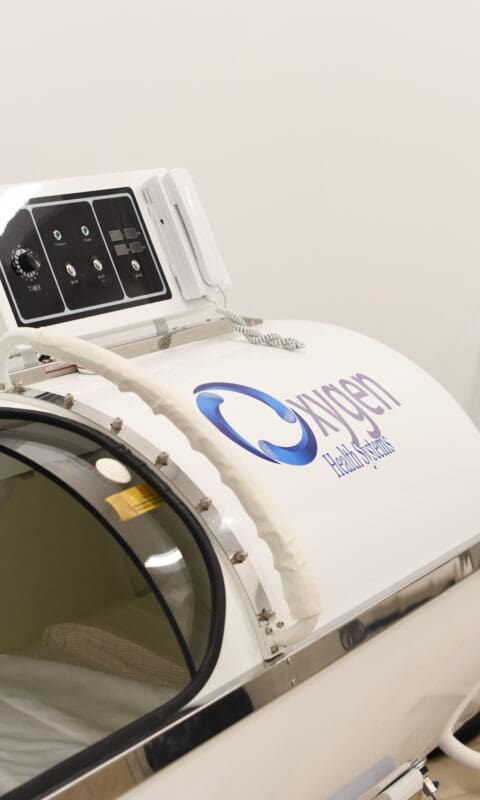
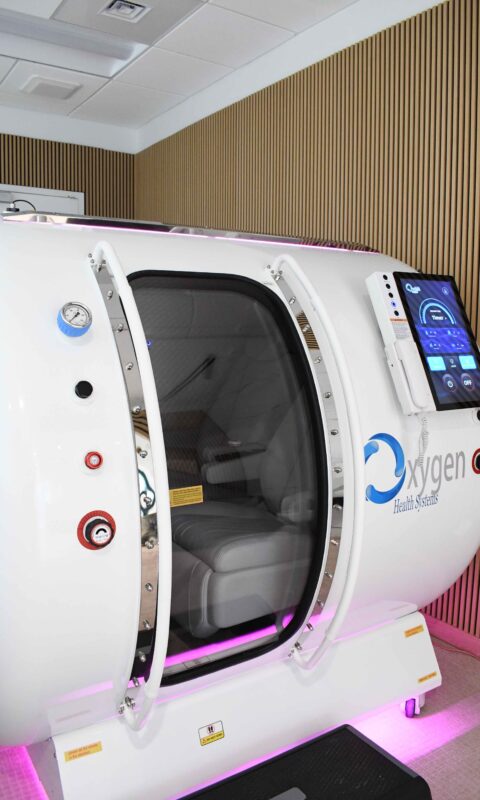
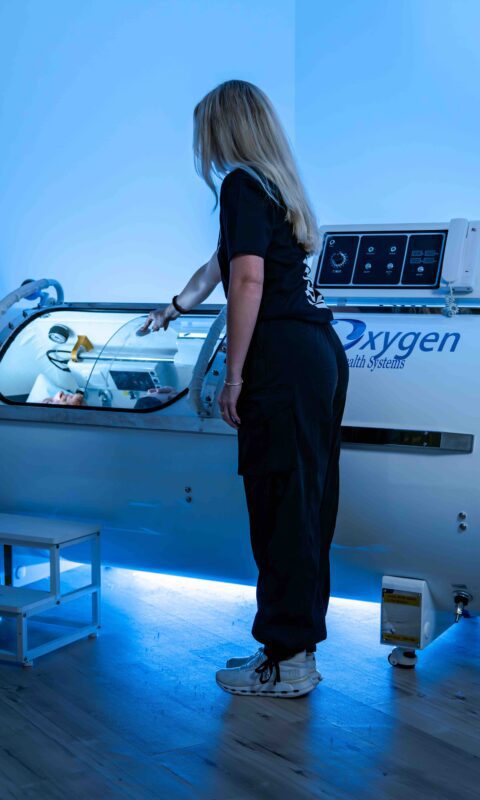
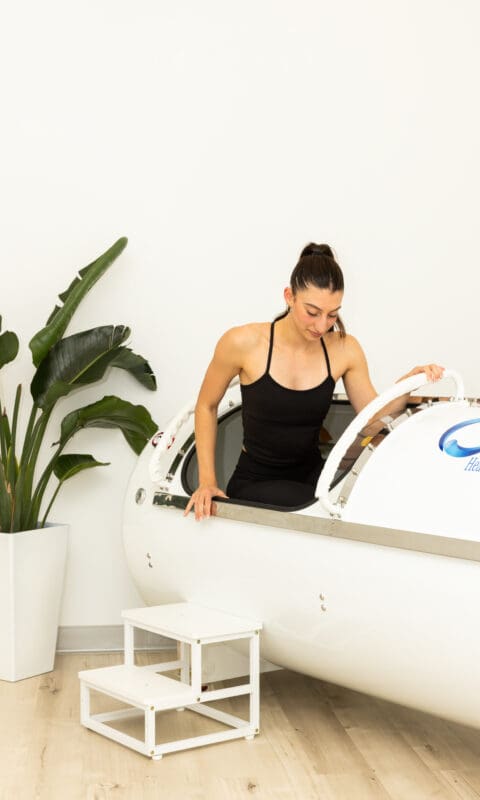
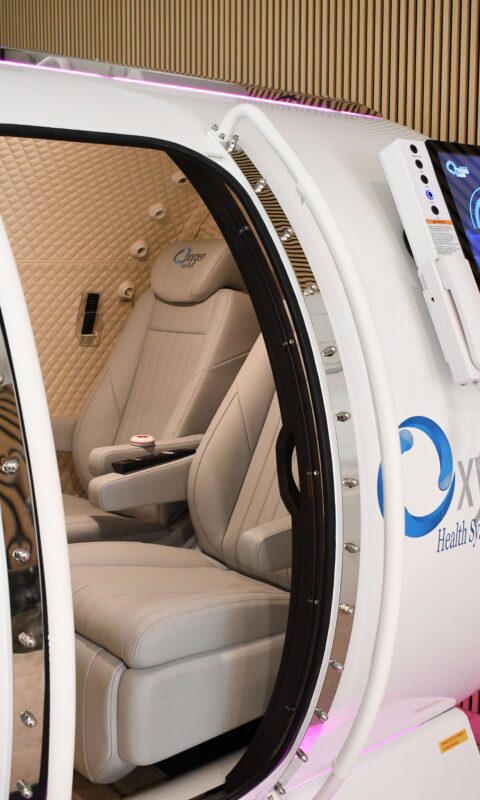
Enter our state-of-the-art hyperbaric chamber, where the air pressure is increased to enhance oxygen absorption. - Pure Oxygen Therapy
Breathe in pure oxygen during a 60 or 90-minute session. This increased oxygen level promotes tissue healing, reduces inflammation, and combats infections. - Healing and Recovery
As oxygen saturates your bloodstream, it supports cellular repair, boosts immunity, and accelerates recovery from injuries or surgeries.
Conditions Commonly Relieved by HBOT (Hyperbaric Oxygen)


Why we love it
Hyperbaric Oxygen Therapy (HBOT) has emerged as a key player in anti-aging medicine, particularly due to its ability to increase telomere length. Telomeres, which protect chromosomes during cell division, shorten over time, leading to cellular aging and immune system decline. HBOT not only extends telomere length, potentially reversing some aspects of aging, but also influences epigenetics by modulating over 8,000 genes, reducing inflammation, and promoting repair and growth. These effects begin with the first treatment and are amplified with continued HBOT sessions.
Discover Cutting-Edge Treatment Options for Cellular Health
At PUR-FORM, we believe that cells, not doctors, heal patients. That’s why our treatments are designed to support your body at a cellular level, helping you heal and perform at your highest potential.
Improve Surgical Outcomes
Accelerate surgical recovery by delivering high concentrations of oxygen to the bloodstream, promoting faster tissue repair and reducing inflammation. This increased oxygen supply enhances collagen production, minimizes swelling, and lowers the risk of infection, helping wounds heal more efficiently.
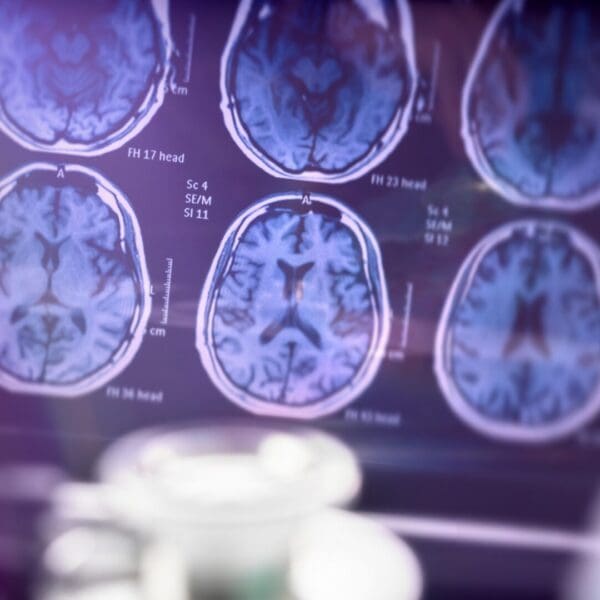
Recover from TBIs & Support Brain Health
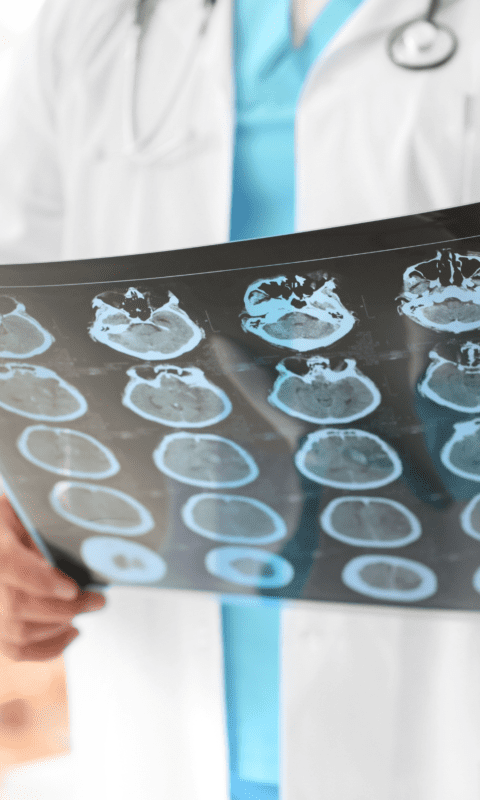
HBOT aids TBI recovery by flooding the brain with oxygen, reducing inflammation, and supporting cellular repair. This process helps restore neurological function, promote new blood vessel growth, and enhance cognitive clarity. By improving oxygen flow to injured areas, HBOT can accelerate healing and support long-term brain health.
Anti-Aging on a Cellular Level
HBOT supports anti-aging by lengthening telomeres, the protective caps on DNA that shorten with age, helping to slow cellular aging. By increasing oxygen levels, HBOT enhances cellular regeneration, reduces oxidative stress, and promotes tissue repair, contributing to improved longevity and overall vitality.
Why our customers love it
Clips From Our Podcast
Discover deeper wellness and longevity insights with PUR-FORM and expert guests. See full episodes here
Frequently asked questions
What is Hyperbaric Oxygen Therapy?
Hyperbaric Oxygen Therapy (HBOT) is a treatment of the entire body that uses highly pressurized oxygen in a controlled environment called a hyperbaric chamber. “Hyper” means increased and “baric” refers to pressure; hence, HBOT treats the body with 100% oxygen at levels roughly two to three times greater than normal atmospheric pressures to increase the amount of oxygen your blood cells can carry.
Modern HBOT has been used for more than 70 years to improve healing in tissues deprived of oxygen, where a given patient is placed in a hyperbaric chamber, breathing 100% oxygen while exposed to elevated ambient pressures. This will dissolve oxygen into the plasma (the liquid portion of blood) and into cells, tissues, and fluids up to 10 times the normal concentration.
HBOT is helping to resolve a growing number of difficult, expensive, or otherwise hopeless medical problems. There’s no way of controlling how much oxygen gets absorbed into the body, and HBOT is a way to hypothetically “turn up the volume” of oxygen absorption by increasing atmospheric pressure.
HBOT has been used in clinical practice to treat decompression sickness, carbon monoxide poisoning, clostridial infections, and enhance wound healing. Newer applications of the therapy have been shown to successfully treat even more conditions, including compartment syndrome, burns and frostbite, and even sensorineural hearing loss.
What’s most exciting to me personally is this: As time goes on, we’re realizing that HBOT may also provide some highly valuable anti-aging benefits.What are the Two Main Uses of Hyperbaric Oxygen?
The function of HBOT can be roughly divided into two types of effects: physiological and pharmacological, with much overlap. Oxygen can be thought of as both a naturally occurring element essential for life and a drug used to alter disease pathology. HBOT uses oxygen as a drug and, therefore, has proper dosing protocols, a therapeutic index, and side effects that need to be understood in order to be used safely and effectively.
What are the Physiological Effects of Hyperbaric Oxygen Therapy?
Oxygen’s voyage in the body starts with the air you breathe and ends up in your individual cells. The oxygen mixed with air enters the lungs, where it goes into the alveolus (tiny air sacs in the lungs), diffuses into the blood, and attaches to hemoglobin. Eventually, the oxygen is released from the hemoglobin and diffuses into the tissue. Ultimately, oxygen enters the cell and interacts with the mitochondria, the powerhouses of the cell. When oxygen is utilized in the mitochondria, the final product is adenosine triphosphate (ATP), which is the body’s energy currency.
How the mitochondria utilize oxygen can determine health or disease. This simple fact is at the root of most ailments. Hyperbaric chambers work by providing oxygen that can be controlled. Oxygen is primarily used by the body in the formation of ATP, the molecule responsible for intracellular energy transfer through a process called cellular respiration.
Normal air is about 21% oxygen. Under normal conditions, plasma hemoglobin is almost entirely saturated, yet at the same time there’s minimal dissolved plasma oxygen. With hyperbaric oxygen, there’s a significant increase – approximately 30% to 40% – in the overall oxygen content in the body. This increase from baseline is due almost entirely to an increase in oxygen dissolved in plasma.
HBOT allows for oxygen to be dissolved in the blood, body fluids, cerebral spinal fluid (the fluid that surrounds the brain and spinal column), bone tissue, and lymph nodes. Oxygen-rich fluids in the body can then travel to areas where blood circulation is either blocked or diminished. The extra diffused oxygen is responsible for a phenomenon called vasculogenesis, which occurs when blood vessels are formed where there were previously no vessels. This can be very important in circumstances such as stroke, traumatic head injury, and general recovery. A similar process to vasculogenesis is called angiogenesis, where essentially new blood vessels are made from pre-existing ones.
Another physiological effect of hyperbaric oxygen deals with vasoconstriction (the narrowing of blood vessels). Hyper-oxygen content in normal tissue causes vasoconstriction, but this is compensated by increased plasma oxygen content and microvascular blood flow. This vasoconstrictive effect does, however, reduce post-traumatic tissue edema, which contributes to the treatment of crush injuries, compartment syndrome, burns, and traumatic head injuries including strokes. As you may know, swelling typically impedes healing.
The mechanism by which hyperbaric oxygen causes vasoconstriction is as follows: Increased levels of oxygen cause a decrease in local nitric oxide (NO) production, thereby leading to vasoconstriction, as NO is a potent vasodilator. Conversely, increased levels of carbon dioxide, the byproduct of respiration, promote NO production and vasodilation.
What Are the Physics Behind HBOT?
When all is said and done, the physiology of hyperbaric oxygen comes from principles of physics – namely Boyle’s law and Henry’s law.
In Boyle’s law, bubbles that have been formed in the body are made smaller by hyperbaric chamber pressure. Divers may acquire bubbles in their bodies when they ascend to the surface too rapidly or stay underwater too long, thereby developing a condition known as decompression sickness (the “bends”). Decreasing bubble size is a primary therapy for decompression sickness. Hyperbaric chamber pressure can reduce the size of the bubbles as well as bubbles from other sources. Decreased bubble size will allow better penetration of oxygen.
On the other hand, Henry’s law states that increasing pressure will result in more gas entering the solution. Normally, most of the oxygen circulating in the body is carried by the hemoglobulin molecule found in a red blood cell. Hyperbaric oxygen dissolves any extra oxygen into the plasma (Henry’s law). The reason for this is that the more pressure that’s exerted on a gas, the more that gas will go from gaseous to liquid form. The total oxygen carried to the tissues is about 10 times more than breathing air at sea level.
Bottom line, hyperbaric therapy supplies more oxygen. Here’s a real-world example to drive home the point. At high altitudes, even that of high-flying jets at 10,000 meters, oxygen percentage is only 21%. So why the hypoxia, headaches, and unconsciousness? Because oxygenation and gas exchange are driven by pressure, not by the percentage or fraction of the gas. This is essentially where most clinics stop in their explanation of how hyperbaric oxygen works. The mechanisms of HBOT are much more complicated and rely on their pharmacological aspects and their effects on various signaling pathways in the body.
What Are HBOT’s Effects on Mitochondria?
Mitochondria consume roughly 85% to 90% of the oxygen we breathe and are the major source of ATP production (ATP being the body’s energy currency). Typically, the more active the tissue, the more mitochondria that tissue contains.
HBOT has a multitude of protective effects on the mitochondria, including alterations in oxidative stress, altered brain metabolism, and mitochondrial apoptotic pathways. Apoptosis is a type of cell death in which a series of molecular steps leads to a cell’s demise; this is one method the body uses to get rid of unneeded or abnormal cells.
In a nutshell, HBOT increases the health, well-being, and absolute numbers of mitochondria. Healthy mitochondria results in a healthy patient.Who should not use HBOT?
HBOT may not be suitable for individuals with certain lung conditions (e.g., untreated pneumothorax), active colds or sinus infections, or pregnant women.
Can I undergo HBOT if I have medical implants or devices?
Many medical devices and implants are safe for HBOT, but it’s essential to inform your provider about any medical history, devices, or implants before beginning treatment.
How many sessions will I need?
The number of sessions varies depending on the condition being treated. Acute conditions may require fewer sessions, while chronic conditions might need 20–40 sessions or more. During your consultation, our providers will determine how many sessions you need.
What conditions can Hyperbaric Oxygen Therapy help with?
HBOT can aid in recovery from injuries, support post-surgical healing, reduce inflammation, and improve conditions like chronic fatigue, arthritis, Traumatic Brain Injury (TBI), PTSD, depression, and anxiety.
Is Hyperbaric Oxygen Therapy safe?
Yes, HBOT is a safe and non-invasive treatment when administered by trained professionals in a controlled environment.
How does HBOT enhance athletic recovery?
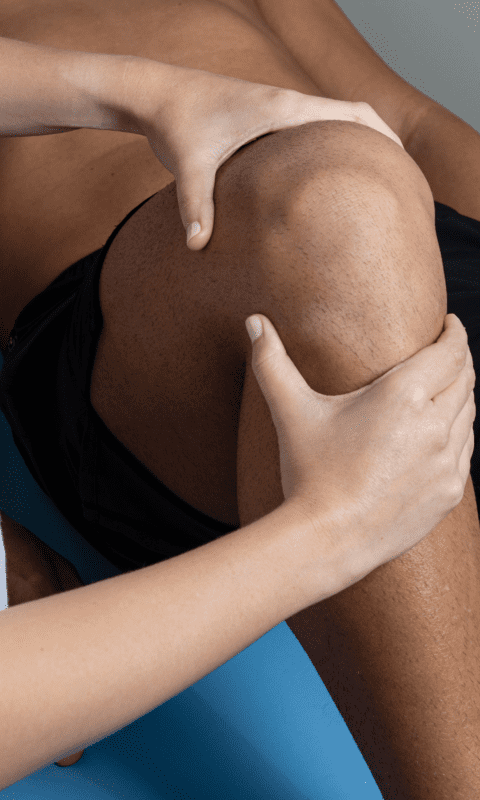
By increasing oxygen delivery to muscles and tissues, HBOT reduces inflammation, accelerates repair, and improves overall recovery time for athletes.
Can Hyperbaric Oxygen Therapy improve brain health?
Studies show that HBOT may enhance cognitive function by promoting oxygenation and reducing oxidative stress in brain tissues.
What should I expect during an HBOT session?
During a session, you’ll relax in a pressurized chamber while breathing pure oxygen. Sessions typically last 60-90 minutes and are comfortable and quiet.