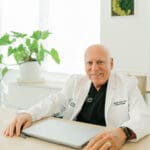








As a regenerative medicine physician, I help patients repair and protect their bodies at the cellular level. My personal health philosophy is simple: act before things break and support the body’s innate capacity to regenerate throughout life.
Here are ten things I prioritize for myself that go well beyond standard checkups and an annual blood panel.
1. I treat daily exercise like a prescription, not a hobby
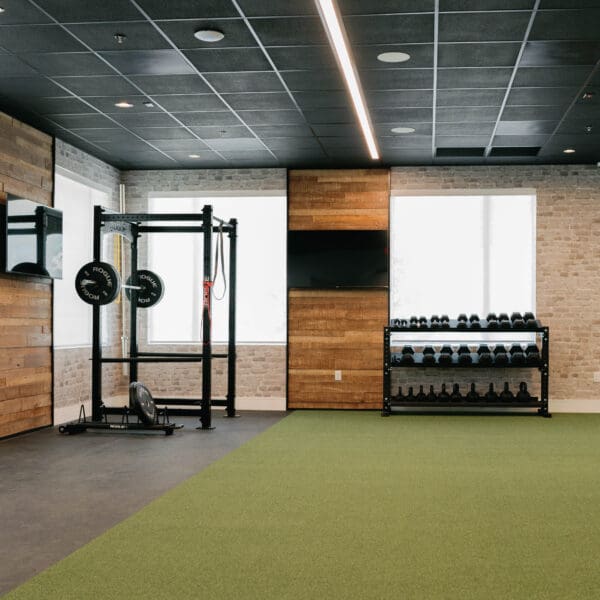
I don’t “try to work out.” I work out every day, just as reliably as I brush my teeth. I treat movement as a fundamental medicine for vascular health, cognition, and mood, not an optional lifestyle choice.
That means:
A baseline of 30–45 minutes of cardiovascular exercise most days.
Strength training focused on maintaining muscle and joint integrity as I age.
Periods of targeted rehab: after an anterior shoulder dislocation, I rebuilt function with structured resistance-band work, scapular stabilization, and even blood-flow restriction training rather than simply “resting it.”
Regular exercise is one of the most powerful preventive tools we have, and physicians who move consistently are more effective when they ask their patients to do the same.
2. I prioritize sleep as aggressively as any procedure
Most people wait until they’re exhausted or burnt out before taking sleep seriously. I reverse that and protect my sleep window the way I protect a surgery time: it’s non-negotiable.
Practically, that includes:
- A consistent sleep and wake time, including travel days whenever possible.
- A structured wind-down: dim light, minimal screens, and deliberate time away from clinical work before bed.
- Strategic naps or brief rest periods on especially demanding clinic or travel days.
Sleep is one of the main levers for cognitive performance, decision-making, and metabolic health, and physicians actually perform better clinically when they guard this pillar.
3. I train my brain daily by reading medical literature
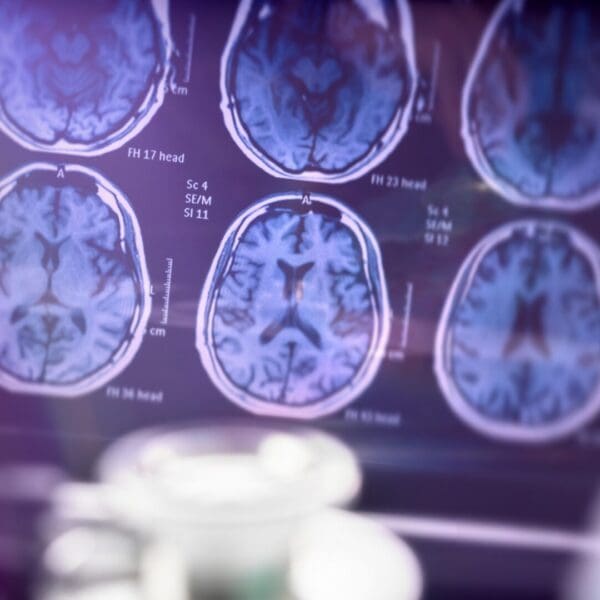
One of my most important “cognitive protocols” is deceptively simple: I read scientific and medical articles every single day. This is not just to keep up with the field; it is an active strategy to preserve and enhance cognitive function.
Daily reading:
- Provides continuous mental stimulation, which is associated with better long-term cognitive outcomes and a reduced risk of decline.
- Exercises attention, working memory, and analytical thinking, much like a structured brain-training program, but with direct clinical relevance.
- Keeps my clinical reasoning sharp and supports neuroplasticity by forcing my brain to integrate new data, challenge old assumptions, and update mental models.
For me, reading is both a professional responsibility and a daily brain-health intervention.
4. I use exercise and rehab science to manage my own injuries
After my shoulder dislocation, I didn’t just immobilize it and hope. I treated myself the way I’d treat a high-functioning patient who wants to remain active into older age, embracing discomfort in a controlled, evidence-based way.
I used:
- Progressive resistance-bands work for internal and external rotation.
- Scapular and postural work to restore biomechanics around the shoulder girdle.
- Biceps-specific loading plus blood-flow restriction to stimulate hypertrophy and tendon remodeling with lower absolute loads.
This approach – treating musculoskeletal injury as a structured rehab project rather than a passive waiting game is something I do for myself that most patients never experience.
5. I use advanced preventive testing, not just routine labs
I still do the basics: standard labs, age-appropriate cancer screening, and cardiometabolic risk assessment. But my own protocol goes further than the average annual physical.
Depending on life stage and risk profile, I may layer in:
- Expanded cardiometabolic panels, including inflammatory and lipid subfractions where appropriate.
- Periodic imaging or functional assessments, when clinically justified, especially around vascular and musculoskeletal systems.
- Selective use of immune, oxidative stress, or senescence-related markers in a research and clinical context when they can meaningfully inform a regenerative strategy.
The goal is not to chase exotic numbers but to identify subtle trends early enough for lifestyle changes, targeted medications, or regenerative therapies to redirect the trajectory.
6. I use oral supplements systematically, with built-in “rest days.”
I place a high value on oral supplements, but I don’t take them haphazardly. I run my supplement routine like a structured protocol, with both consistency and intentional breaks.
My pattern is simple:
- I take my core stack of supplements five days per week, then take two days off to give my system a brief reset and avoid the mindset of “pill dependency.”
- One major exception is Neo-40, which I take seven days a week because of its role in supporting nitric oxide and vascular health.
- I periodically re-evaluate and adjust the supplement list based on emerging evidence, personal response, and clinical data, not marketing.
In other words, my supplements are not a random collection of bottles—they are a dynamic toolkit in a long-term healthspan strategy.
7. I routinely use IV nutrient and metabolic support strategically, not as a fad
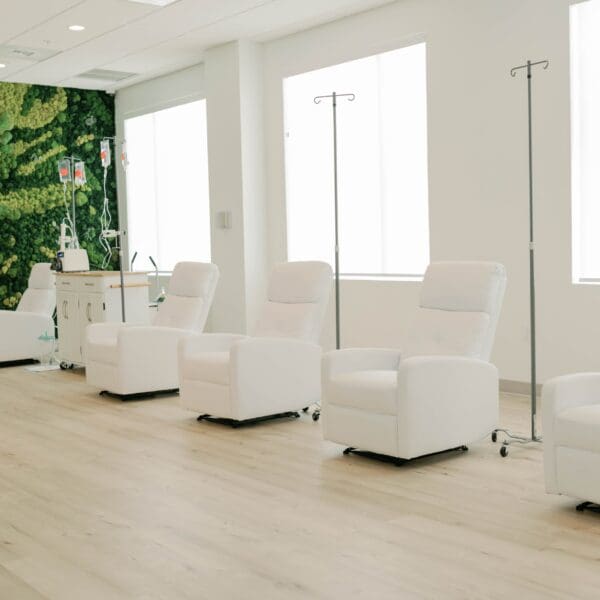
Unlike many people who dabble in IV therapy for quick “boosts,” I use intravenous approaches in targeted situations where physiology and context justify them. For example, I have used a Myers’ cocktail and methylene blue intravenously before a long-haul flight to support energy metabolism and resilience under the stress of travel.
My broader philosophy:
- IV nutrient support can be useful in selected high-demand contexts—intense travel, recovery periods, or specific deficiencies—when done safely and rationally.
- Agents that affect mitochondrial function or redox balance must be used with a clear therapeutic rationale, not as a wellness fashion.
I think of IV therapy as an extension of internal medicine and cellular physiology, not spa medicine.
8. I integrate regenerative modalities, starting with myself
I work in exosomes, PhotoBioModulation, and stem cell–based strategies, so I am very careful in how I apply them, including to myself. My rule: no intervention I wouldn’t consider for my own body gets normalized for my patients.
In my own regimen, this includes:
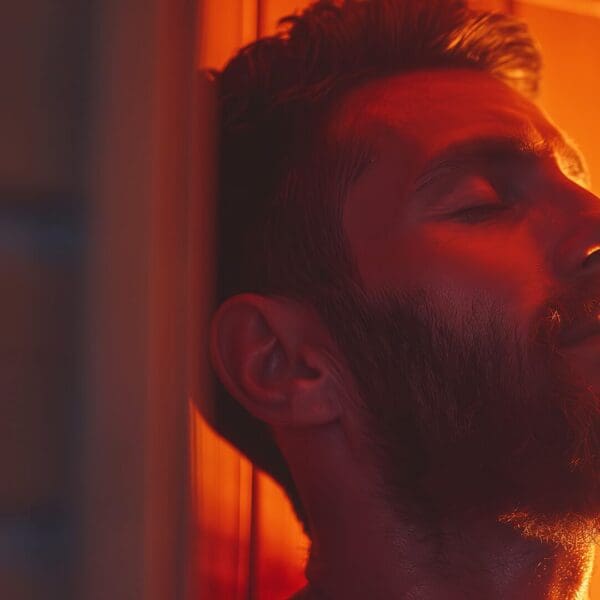
- Using PhotoBioModulation strategically to support microcirculation and cellular signaling.
- Incorporating exosome-based approaches in contexts where inflammation, tissue repair, or recovery may benefit, while monitoring outcomes carefully.
- Designing protocols that respect immune balance and long-term safety, rather than “more is better” dosing.
My research on MUSE cells and regenerative immunomodulation is ultimately guided by a question I ask myself: Would this make sense for my own healthspan if the data continue to support it?
9. I explore plasmapheresis and plasma “refresh” concepts as anti-aging tools
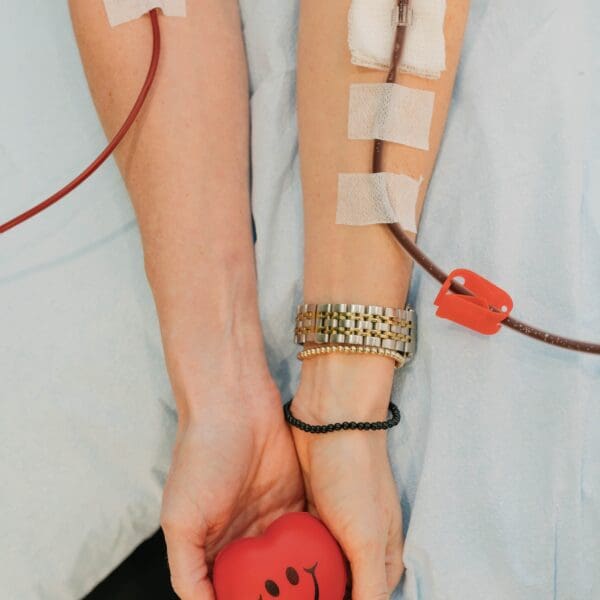
I actively study therapeutic plasmapheresis and the idea of diluting age-associated plasma factors as a means of improving tissue function and potentially slowing aspects of biological aging. For me, this is not theoretical, it is part of how I think about my own future protocols.
Key ideas I focus on:
- Removing a defined fraction of plasma and replacing it with albumin and appropriate fluids to reduce circulating pro-inflammatory and pro-aging factors.
- The art is in dosing: how much plasma to remove, at what interval, and with what replacement strategy to maintain safety while nudging biology in a younger direction.
- Before I would routinely use such strategies on myself, I want clear evidence of the durability of benefit and risk profiles—but I expect these tools to play a role in my own long-term health plan.
Most people never hear plasmapheresis discussed outside of very specific diseases. I’m looking at it as a future lever for systemic rejuvenation.
10. I use ozone-based extracorporeal therapies with a precision mindset—and recharge in the garden
On the high-tech side, I perform EBO2 (extracorporeal blood oxygenation and ozonation) and spend significant time optimizing ozone concentrations and protocols for different clinical contexts, including my own potential use. I view it as a tool to modulate oxidative signaling, not simply “more oxygen” or “more ozone.”
At the other end of the spectrum, one of my favorite “therapies” is working in my garden. Time among plants:
- Provides gentle, functional movement that complements my structured workouts.
- Acts as a powerful regulator of stress, mood, and perspective, similar to other nature-based brain-boosting activities linked to improved cognitive and emotional health
- Offers a sense of continuity between nurturing biological systems in my patients and nurturing them in the soil.
In a world obsessed with high-tech health solutions, I find that combining advanced regenerative tools with simple practices such as daily reading and hands-in-the-soil gardening is the most sustainable way to protect both body and brain.