










Muse cells are a unique population of reparative stem cells that naturally exist within the body. The name Muse is derived from “multilineage-differentiating stress-enduring” cells, a description that reflects both their resilience and their regenerative potential. These cells are identified by a specific surface marker known as SSEA-3 and are found in bone marrow, peripheral blood, and multiple organs throughout the body.
What makes Muse cells particularly intriguing is that they combine features of pluripotent stem cells with the practical safety profile required for clinical use. They are capable of self-renewal and can differentiate into cell types from all three germ layers, meaning they can give rise to ectodermal, mesodermal, and endodermal tissues. In simpler terms, Muse cells have the potential to become many different types of specialized cells, depending on what the body needs.
How Muse Cells Repair Damaged Tissue
Muse cells are not passive bystanders. When tissue injury occurs, they are actively recruited to the site of damage through signaling pathways such as sphingosine-1-phosphate. Once they arrive, Muse cells perform several critical functions. They help clear away damaged or dying cells, modulate inflammation, and then differentiate into the same type of cell that was lost or injured. This allows them to integrate directly into the tissue and participate in true structural repair rather than temporary support.
In addition to replacing damaged cells, Muse cells promote the formation of new blood vessels, a process known as neovascularization. This improved blood supply is essential for sustained healing and long-term tissue function.
Why Muse Cells Are Clinically Significant
One of the major limitations of embryonic stem cells and induced pluripotent stem cells is their potential to form tumors. Muse cells do not share this risk. Despite their pluripotent capabilities, they do not form teratomas, making them far safer for therapeutic applications.
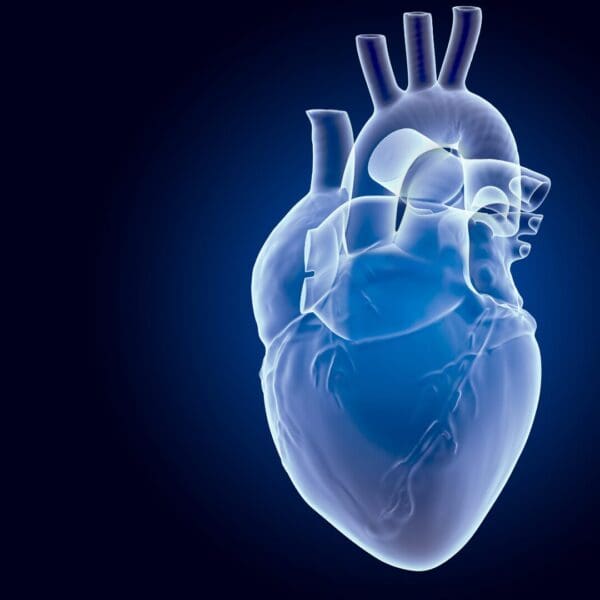
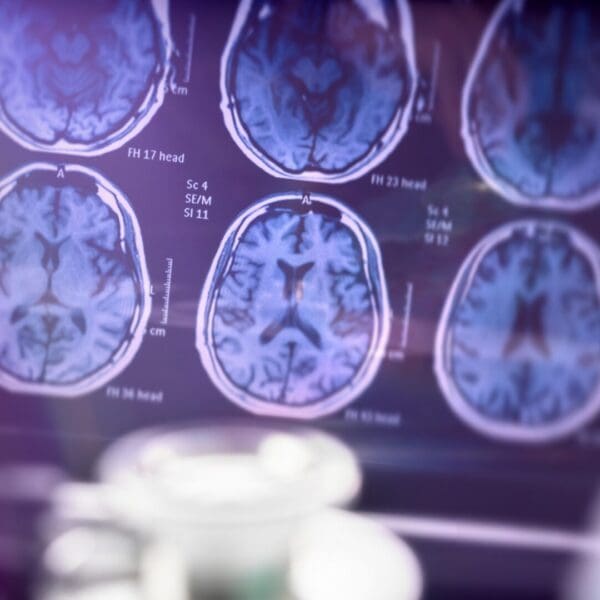
Clinical trials have already demonstrated both the safety and efficacy of Muse cells in conditions such as acute myocardial infarction and ischemic stroke. Notably, these benefits have been observed even when donor Muse cells are administered intravenously without HLA matching or the use of immunosuppressive medications. This is possible because Muse cells possess unique immunomodulatory and immunotolerance mechanisms that allow them to coexist with the recipient’s immune system.
Their ability to home to injured tissue, differentiate appropriately, and support vascular repair has led to their investigation across a wide range of clinical indications.
How Muse Cells Are Isolated and Prepared
In laboratory settings, Muse cells are typically isolated from mesenchymal stem cell cultures derived from bone marrow, adipose tissue, or skin. Once these cells are expanded, they are gently detached and exposed to antibodies that bind specifically to the SSEA-3 marker.
Using techniques such as fluorescence-activated cell sorting or magnetic-activated cell sorting, the SSEA-3-positive Muse cells are separated from the broader cell population. After isolation, they are cultured under carefully controlled conditions that preserve their unique regenerative properties.
Muse Cells and VSELs: A Shared Regenerative Promise
Muse cells share several important characteristics with very small embryonic-like stem cells, often referred to as VSELs. Both express core pluripotency genes, including OCT4, SOX2, and NANOG, which allow them to generate cell types from all three germ layers. Importantly, neither Muse cells nor VSELs form tumors when transplanted, a key safety advantage over embryonic or induced pluripotent stem cells.
Both cell types express embryonic markers and are naturally present in adult tissues such as bone marrow and peripheral blood, rather than being artificially created in the laboratory. While they differ in size, surface markers, and possibly developmental origin, their shared characteristics make them particularly attractive candidates for regenerative therapies.
Looking Ahead
The unique combination of safety, versatility, and innate homing ability positions Muse cells as a powerful tool in regenerative medicine. In time, therapies based on endogenous stem cells like Muse cells may reduce or even replace the need for allogenic cell transplantation.
As research continues and clinical experience expands, Muse cells may represent a shift toward regenerative strategies that work in harmony with the body’s own repair systems rather than relying on externally engineered solutions.For those interested in the scientific foundation of this discussion, the reference article is linked below.
– Dr. Purita