












Regenerative medicine continues to evolve at a remarkable pace. For years, much of the focus has been on stem cells and, more recently, exosomes. While both have shown tremendous promise, researchers now recognize that one of the most important drivers of tissue repair may actually be something even broader: the stem cell secretome.
Rather than replacing damaged tissue directly, stem cells communicate with surrounding cells by releasing a complex mixture of biologically active molecules. This collection of signaling molecules is known as the secretome, and growing evidence suggests it may represent the next generation of regenerative therapies.
At PUR-FORM, we continuously evaluate emerging scientific advances that have the potential to improve patient care. The stem cell secretome is one of the most exciting developments currently being explored in regenerative medicine.
What Is the Stem Cell Secretome?
The secretome is the complete collection of substances released by stem cells into their surrounding environment. While exosomes are an important component, they represent only one part of a much larger communication network.
The secretome includes:
- Extracellular vesicles, including exosomes and microvesicles
- Growth factors that support tissue repair and new blood vessel formation
- Cytokines and chemokines that help regulate immune responses
- Regulatory RNAs that influence how cells function and repair themselves
Together, these signaling molecules help coordinate communication between cells and support the body’s natural healing processes.
Why Researchers Are Looking Beyond Exosomes
Exosomes have become well known because they carry proteins and genetic material between cells. However, scientists now recognize that they work alongside many other signaling molecules.
Rather than relying on one messenger, the full secretome delivers multiple regenerative signals simultaneously.
Research suggests this coordinated communication may help support:
- Healthy inflammatory responses
- Blood vessel formation and circulation
- Cellular survival during stress
- Tissue repair and regeneration
- Cell-to-cell communication
Instead of isolating only exosomes, the secretome preserves the entire collection of naturally released regenerative factors.
Secretome vs. Stem Cells
Traditional stem cell therapies involve delivering living cells into the body. The secretome offers a different approach by using the signaling molecules produced by those cells rather than the cells themselves.
Because the secretome contains no living cells, it offers several potential advantages currently being studied, including:
- No implanted dividing cells
- Lower risk of immune reactions
- Easier long-term storage
- The potential for repeated dosing
- Simplified manufacturing compared to isolated exosome products
Researchers believe this may allow patients to receive many of the beneficial signaling effects associated with stem cells while avoiding some of the logistical challenges involved with live cell therapies.
Can Scientists Improve the Secretome?
One of the most exciting aspects of secretome research is that scientists can influence what stem cells produce before the secretome is collected.
By changing the cells’ environment, researchers can encourage them to release different combinations of healing molecules.
Examples include:
- Low oxygen conditions to encourage blood vessel growth and tissue repair
- Specialized laboratory conditions that increase extracellular vesicle production
- Carefully controlled manufacturing environments that improve product consistency
This approach may eventually allow therapies to be tailored for specific applications, including orthopedic injuries, neurological disorders, cardiovascular disease, and other conditions.
Challenges with Exosome-Only Products
Although exosome therapies remain an exciting area of research, they also present several practical challenges.
Scientists continue working to overcome issues such as:
- Variability between batches
- Loss of material during isolation
- Differences in potency
- Regulatory uncertainty
- Exclusion of other potentially beneficial signaling molecules
For these reasons, many researchers now believe preserving the complete secretome may provide a more comprehensive regenerative platform than isolating exosomes alone.
Current Challenges of Secretome Therapy
Like any emerging medical technology, secretome therapy still faces important challenges before widespread clinical adoption.
Researchers continue working toward:
- Standardized manufacturing methods
- Reliable quality testing
- Consistent product composition
- Clear regulatory pathways
- Large-scale production under clinical manufacturing standards
While science is advancing rapidly, additional research is needed to establish standardized protocols for clinical use.
Understanding the Role of MUSE Cells
One of the most exciting developments in regenerative medicine involves MUSE (Multilineage-differentiating Stress-Enduring) cells.
MUSE cells are a rare population of adult stem cells found naturally within tissues such as bone marrow, adipose tissue, and skin. Although they represent only a small percentage of adult stem cells, they appear to behave differently from conventional mesenchymal stem cells.
Research suggests MUSE cells release a unique secretome with distinctive regenerative characteristics.
How the MUSE Secretome May Be Different
Studies comparing MUSE cells with conventional mesenchymal stem cells suggest several important differences.
The MUSE secretome appears to contain signals that may support:
- Cellular resilience during stress
- Healthy immune regulation
- Tissue repair
- Long-term cellular function
Researchers have also identified unique proteins within the MUSE secretome that are not commonly found in traditional mesenchymal stem cell secretions, suggesting these specialized cells may possess unique biological properties.
A Dual Approach to Regeneration
Unlike many traditional stem cell therapies that primarily work through released signaling molecules, MUSE cells appear to function in two complementary ways.
Current research suggests they may:
Release a specialized regenerative secretome
while also
Migrating to areas of injury and differentiating into tissue-specific cells.
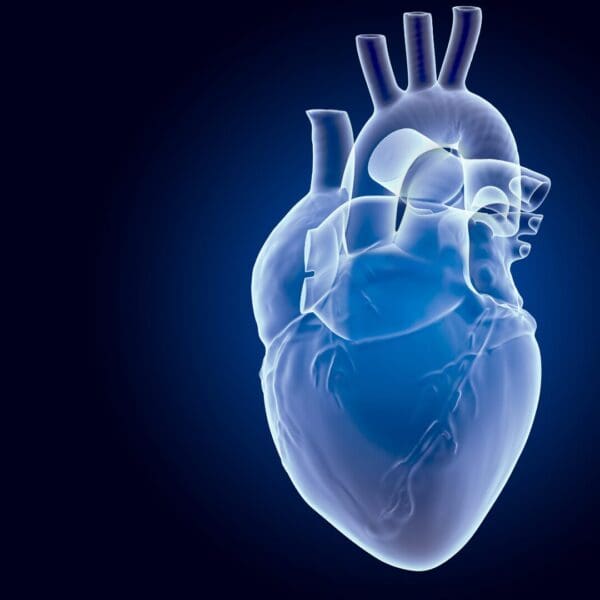
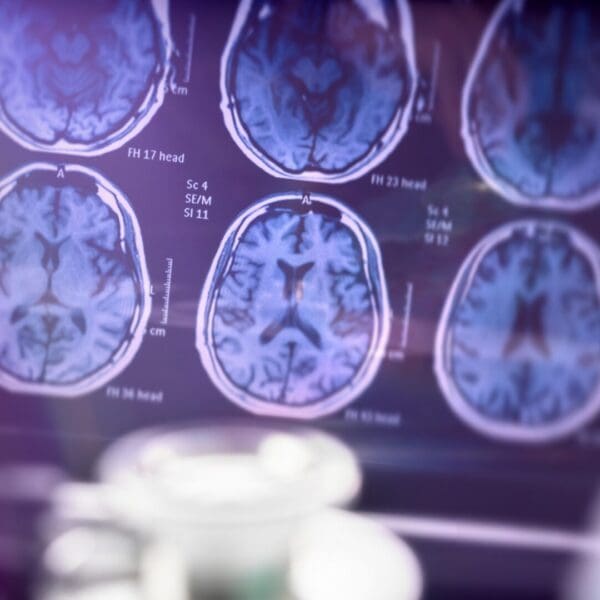
This combination of cellular replacement and ongoing regenerative signaling has generated significant interest in preclinical studies involving cardiovascular disease, neurological injury, and other regenerative applications.
The Future of Regenerative Medicine
Rather than viewing stem cells, exosomes, and the secretome as competing therapies, researchers increasingly see them as complementary tools.
Each approach may have unique strengths depending on the clinical situation.
As manufacturing standards improve and additional clinical research becomes available, the stem cell secretome may become one of the most comprehensive cell-free regenerative platforms available.
The emergence of MUSE cells and their distinctive secretome represents another exciting step forward, offering researchers new opportunities to explore advanced regenerative therapies aimed at supporting tissue repair, immune regulation, and healthy aging.
Looking Ahead
The science of regenerative medicine continues to evolve rapidly. While stem cells and exosomes remain important areas of research, growing evidence suggests the future may lie in understanding the powerful network of signaling molecules they produce.
At PUR-FORM, we remain committed to following the latest advances in regenerative medicine and bringing evidence-informed innovations to our patients whenever appropriate. As research continues to expand, therapies centered around the stem cell secretome and MUSE cell biology may help shape the next generation of personalized regenerative care.
Dr. P